LIVE EVENT
GCN Investor Conference in Newport Beach, CA
MARCH 25 · NEWPORT BEACH, CA

LIVE EVENT





.png)


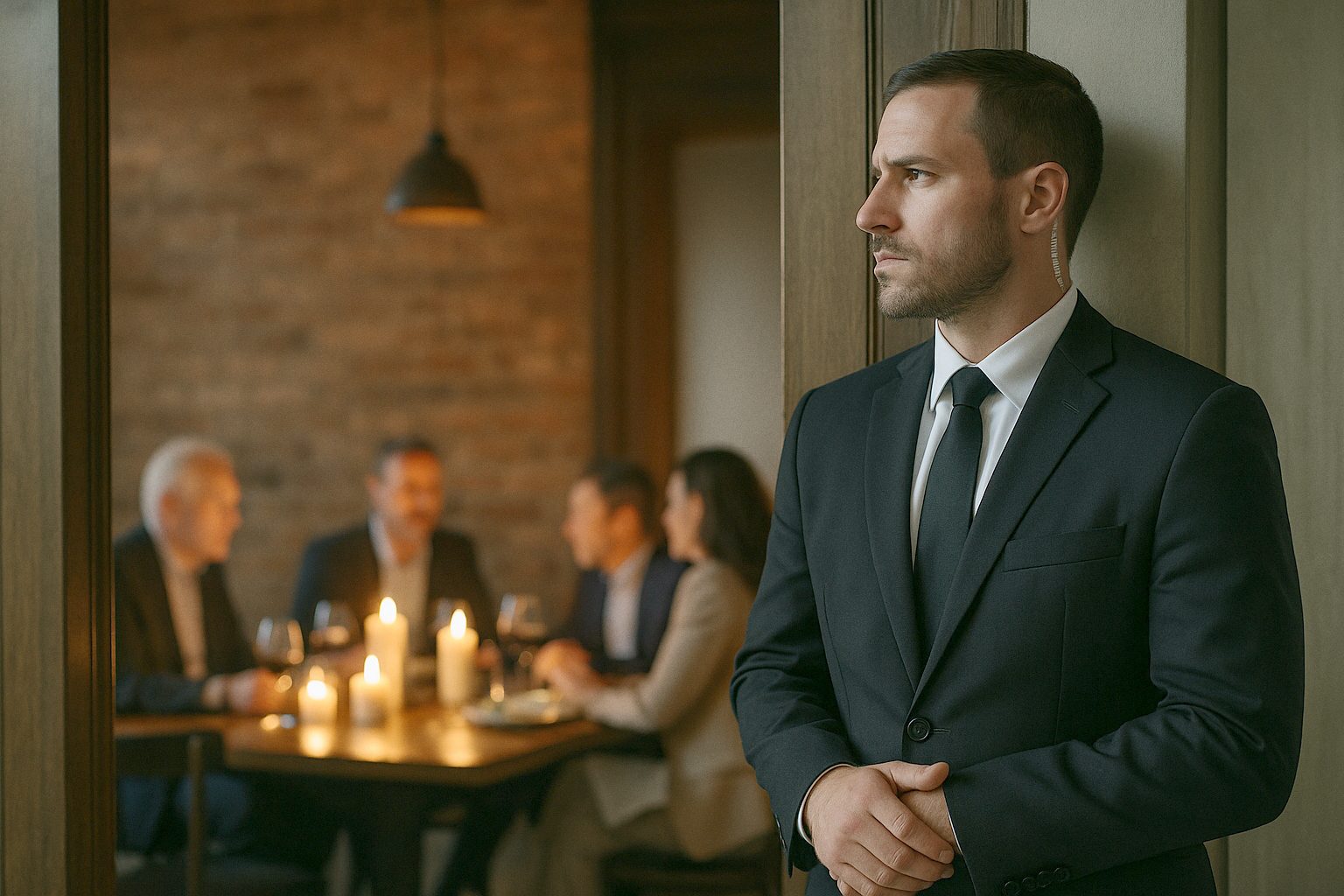
A security plan for a private investor dinner is a short, practical document that sets out how guests will be invited, verified, welcomed, protected and seen safely home, while keeping the evening relaxed and confidential. Private investor dinners bring together founders, family offices, fund managers and high-net-worth investors in an intimate setting. That intimacy is what makes them valuable, and it is also what makes them sensitive: the guest list is high-value, conversations are confidential, and the venue is usually a restaurant private room, hotel suite, club or private residence rather than a purpose-built event space.
A good plan covers eight areas: the objectives and risk level of the evening, venue selection, guest list control, arrival and departure, venue staff and service, confidentiality and photography, medical and emergency readiness, and coordination with any guests who bring their own protection. For most dinners the plan is light-touch and invisible to guests. For dinners with very high-profile attendees, known concerns or sensitive subject matter, it can scale up to protection professionals, controlled entry, secure transportation and advance work on the venue.
This guide walks through each step so hosts, presenting companies and organisers can build a proportionate plan that protects guests without making the evening feel like a security operation.
The goal is not to treat guests as suspects. It is to make sure the right people are in the room, the conversation stays private, and everyone arrives and leaves comfortably.
Start by answering a few simple questions:
From these answers, decide whether the dinner needs a standard plan, an enhanced plan with protection professionals and controlled entry, or a full program with advance work, secure transportation and intelligence support. For high-profile guests, a professional threat and risk assessment helps make this decision objectively.
Venue choice is one of the most effective security decisions a host can make.
Private residences and members' clubs offer greater control but require more planning around access, parking, staffing and emergency arrangements.
Arrival and departure are the moments when guests are most visible.
High-profile guests may bring their own protection professionals or drivers. To keep the evening smooth:
For most dinners: a carefully chosen private venue, confidential guest list, discreet verification at the door, briefed venue staff, a photography policy, trusted transportation options and basic medical awareness. Often managed by the host or organiser without dedicated security personnel.
For dinners with high-profile guests or sensitive subject matter: one or more protection professionals managing arrival, entry and departure, a security lead coordinating with the venue, protective drivers for key guests and a pre-event review of the venue.
For principals with known concerns, very high public profiles or international guests: advance work on the venue, controlled entry, secure transportation, intelligence monitoring, communications between the security team and drivers, and a medical plan. Arrangements remain discreet so guests still experience an elegant evening.
See our executive protection pricing guide for the factors that drive cost.
Every dinner benefits from a basic plan covering the guest list, venue privacy and departures. Dedicated security personnel are usually only needed for high-profile guests, sensitive subjects or known concerns.
Use personal invitations, confirm guests by name, limit who sees the guest list, brief venue staff, set a photography policy and choose a private room with acoustic privacy.
Guests should be verified against the confirmed list discreetly on arrival. Formal screening such as bag checks or metal detection is unusual for small dinners and reserved for higher-risk situations.
Yes. Ask in advance, share arrival details with authorised teams and agree where they will wait during the dinner.
A private room with its own entrance, acoustic privacy, an experienced events team and good arrival and departure options. Members' clubs and private residences can also work well with planning.
A standard plan may add little cost beyond careful organisation. Protection professionals, drivers and advance work add cost depending on hours, location and risk.
The host or organiser, ideally with a single security lead who coordinates the venue, drivers and any guests' protection teams.
A private investor dinner succeeds when the right people feel comfortable having frank conversations. A proportionate security plan makes that possible by choosing a discreet venue, controlling the guest list, managing arrivals and departures, briefing staff, protecting confidentiality, preparing for medical issues and coordinating with guests' own teams. For most dinners the plan is invisible; for high-profile evenings it scales to protection professionals, secure transportation and advance work without changing how the evening feels.
Global Capital Network curates private investor dinners for companies raising capital, bringing founders together with family offices, funds and high-net-worth investors across global markets, alongside our investor conferences. Hosts, presenting companies and guests can discuss security for a GCN dinner, from discreet guest verification and venue coordination to protection professionals, secure transportation and full protective programs through vetted, appropriately licensed partners. Request a confidential consultation to plan security for your next dinner.
This article is general information, not legal or security advice. Security, licensing and privacy requirements vary by venue and jurisdiction; consult appropriately licensed professionals.
Angel investors, VCs and family offices in one room for one day, with live pitches, exhibitor booths and an evening reception at the Renaissance Newport Beach.
See the event →


.webp)
.png)


.png)