LIVE EVENT
GCN Investor Conference in Newport Beach, CA
OCT 15 · NEWPORT BEACH, CA
LIVE EVENT
GCN Investor Conference in Newport Beach, CA
OCT 15 · NEWPORT BEACH, CA
Register →
Search

Space Economy Investing: Where Returns Are Actually Realistic

Cheaper launch and smaller satellites have opened space to private capital. But the space economy is several very different businesses, and where you invest determines what returns are realistic.
Investor Relations Team
  • September 29, 2026
    September 28, 2026
  • 8 min read
Share:

Space Economy Investing: Where Returns Are Actually Realistic

Space has never been more investable. Reusable rockets have cut the cost of reaching orbit, satellites have become smaller and cheaper, and governments and companies now buy space-based data and services at scale. Venture capital, private equity and public markets have all poured money in.

But space is not one market. It is a stack of very different businesses, from rocket builders that need billions before their first launch to software companies selling satellite data by subscription. Returns depend heavily on which layer you invest in. This guide breaks the space economy into its parts and explains where investors can realistically expect to make money.

1. Why Space Became Investable

  • Falling launch costs. Reusable rockets have made getting to orbit dramatically cheaper and more frequent, which lowers costs for every company that depends on launch.
  • Smaller, cheaper satellites. Standardised components let companies build and replace satellites far faster than traditional programmes.
  • Government demand. Defence, intelligence and civil space agencies increasingly buy commercial services rather than building everything themselves.
  • New data markets. Earth observation, connectivity and positioning data now feed agriculture, insurance, logistics, finance and climate monitoring.

2. The Layers of the Space Economy

Launch

The most visible and most capital-intensive layer. Building rockets requires enormous upfront investment, long development timelines and tolerance for failure. A few winners can dominate, which makes it hard for later entrants to earn venture-style returns.

Satellites and constellations

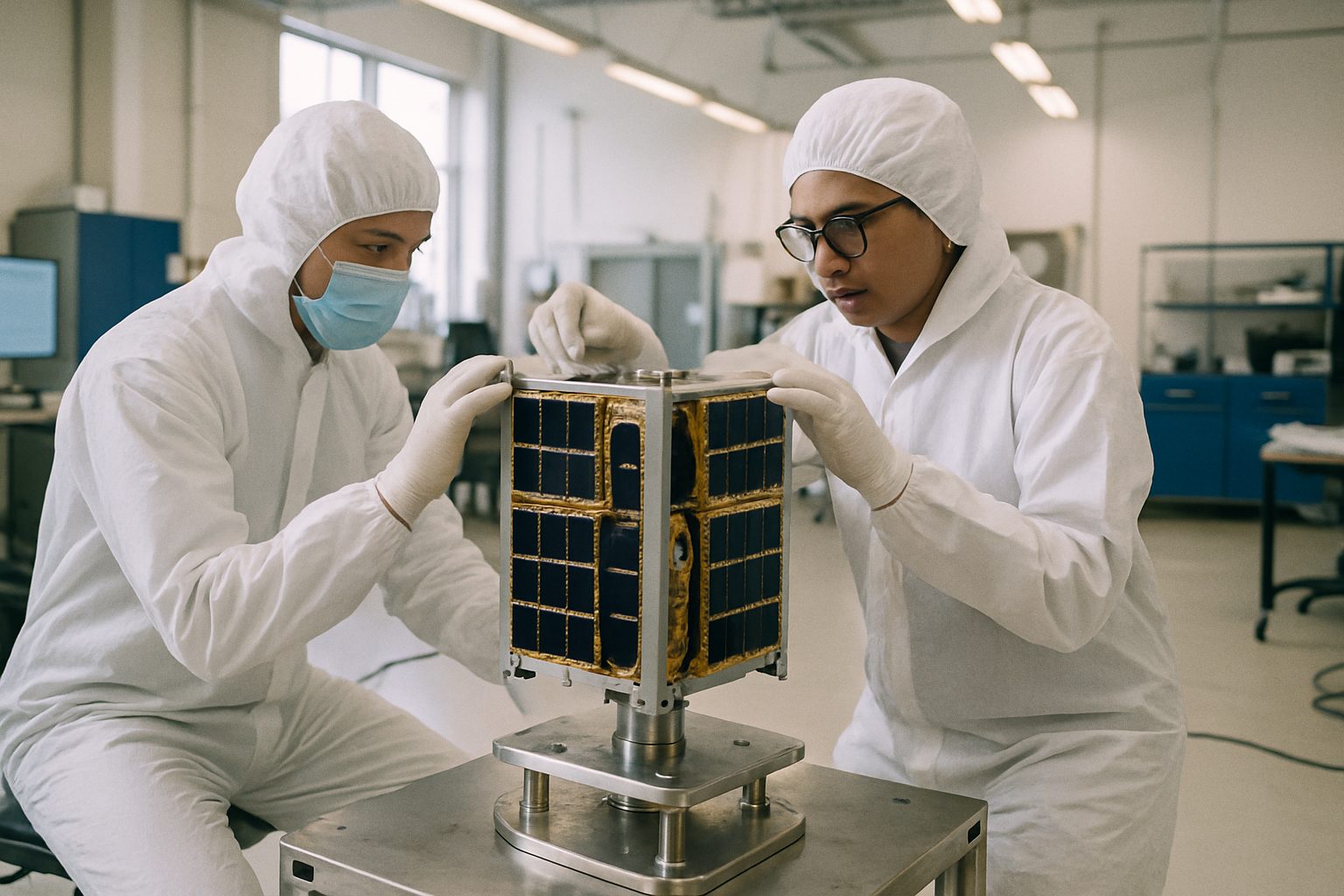
Companies building and operating satellites for communications, imaging or sensing. Capital needs remain high, and competition from large, well-funded constellations is intense.

Ground infrastructure

Ground stations, antennas and networks that connect satellites to the internet and customers. Less glamorous, often more predictable, and increasingly offered as a service.

Data and analytics

Companies that turn raw satellite data into answers customers will pay for, such as crop health, supply-chain monitoring, emissions tracking or insurance risk. This is where software economics become possible.

In-space services

Satellite servicing, refuelling, debris removal, in-space manufacturing and logistics. Promising but early, with customers and business models still forming.

3. Where Returns Are Most Realistic

  • Downstream data and software offer the most familiar venture economics: recurring revenue, high margins and customers outside the space industry.
  • Components and supply chain, such as propulsion, power, sensors and radiation-tolerant electronics, can sell to many satellite builders without betting on any one of them.
  • Government-anchored businesses with defence or civil contracts can build revenue before commercial demand matures, though customer concentration is a risk. See our guide to how defense tech startups get funded.
  • Launch and large constellations can produce the largest outcomes, as the scale of SpaceX shows, but they require patient, deep capital and carry the highest risk. Our analysis of the SpaceX IPO covers what scale looks like.

4. Lessons From the SPAC Wave

Several space companies went public through SPACs during 2021, often on ambitious projections. Many later traded far below their listing values as revenue arrived more slowly than forecast and capital needs proved larger. The lesson for investors is to underwrite on contracted revenue and realistic timelines, not total addressable market slides. Our analysis of the SPAC cycle covers the broader pattern.

5. How to Diligence a Space Company

  • Who pays, and how much? Separate signed contracts from letters of intent and government programmes that may not be funded.
  • What is the capital plan to revenue? Map every milestone, launch and satellite replacement cycle to funding.
  • How dependent is the company on launch? Delays in someone else's rocket can delay your revenue.
  • What happens to the business if one large customer leaves?
  • Is there non-dilutive funding? Government grants and contracts can extend runway. See our guide to SBIR and STTR grants.

Frequently Asked Questions

Is space a good venture investment?

Parts of it are. Data, software and component businesses can fit venture economics; launch and large constellations generally need deeper, more patient capital.

Who are the main customers?

Governments, especially defence and intelligence agencies, remain the largest, alongside telecoms, agriculture, insurance, energy and logistics companies.

How long until space startups generate revenue?

Software and data companies can earn early; hardware companies often need years of development and at least one successful launch.

What are the biggest risks?

Capital intensity, launch dependency, technical failure, customer concentration and competition from very large, well-funded players.

The Bottom Line

The space economy is real and growing, but returns are unevenly distributed. Investors who focus on layers with software-like economics, diversified customers or government anchors can find realistic opportunities; those backing capital-heavy hardware need the patience and capital to see it through.

Global Capital Network connects investors with deep-tech and frontier opportunities through our events and investor network. Get in touch to learn more.

This article is general information, not investment advice.

Key Takeaways
  • The space economy is a stack of very different businesses, from capital-heavy launch to software-like data analytics, and returns vary sharply by layer.
  • Downstream data, software and component suppliers offer the most familiar venture economics; launch and large constellations require deep, patient capital.
  • After the 2021 SPAC wave, investors underwrite on contracted revenue and realistic timelines rather than market-size projections.
Stay Ahead of Global Capital Network
Insights on private markets, emerging tech, and investor trends-delivered to your inbox.
CONNECTING INVESTORS & FOUNDERS
NETWORK VISION
Our vision and the strength of our global network
INVESTOR NETWORK
Connect with a curated community of investors
PITCH OPPORTUNITIES
Get your deal in front of our investors
INVESTOR EVENTS
Engage in exclusive investor events.
RESOURCES
Stay informed with insights and updates.
DEAL FLOW
Join our digital platform and get connected
Powered by 2030VENTURES