LIVE EVENT
GCN Investor Conference in Newport Beach, CA
MARCH 25 · NEWPORT BEACH, CA

LIVE EVENT





.png)


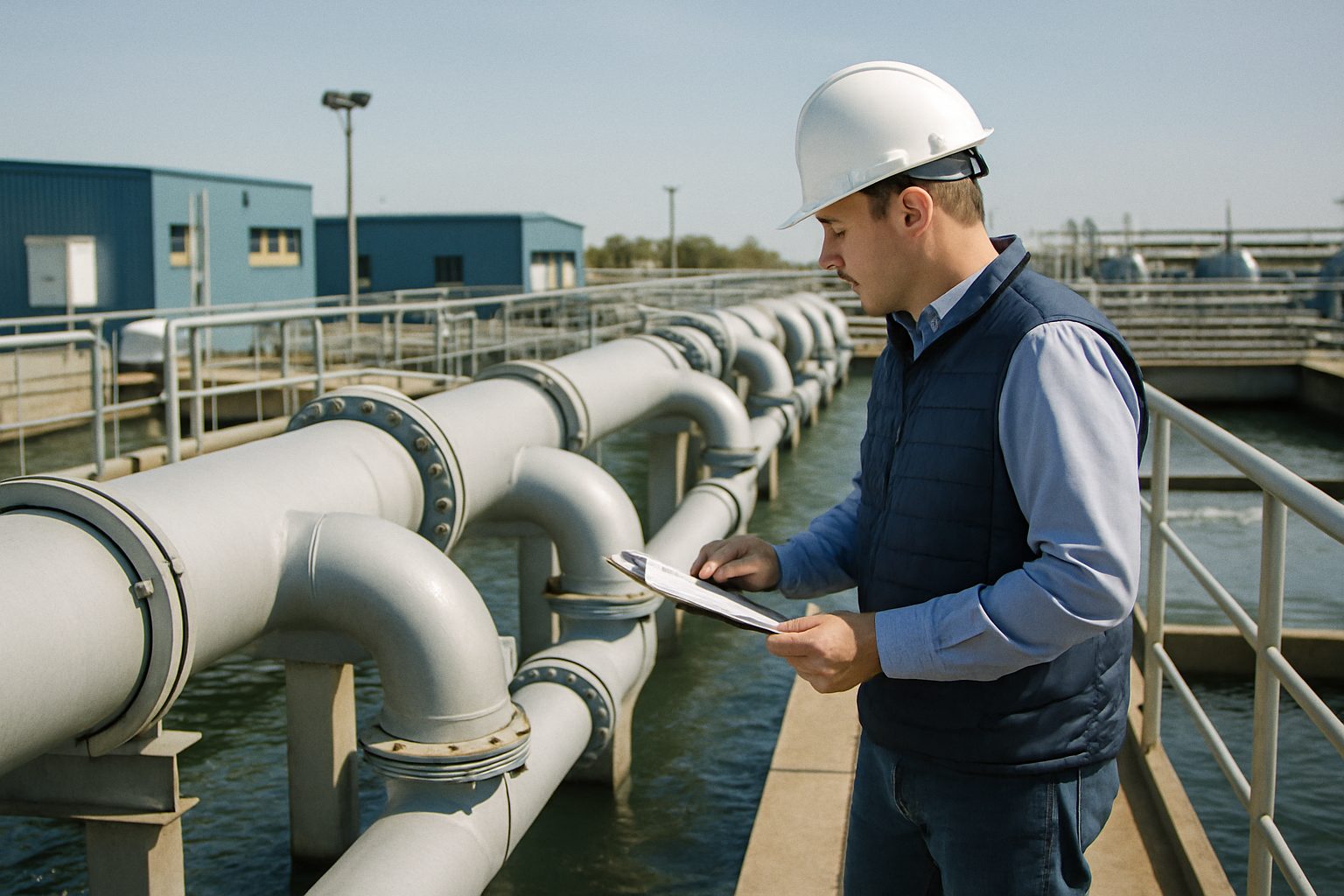
When investors talk about climate and impact, the conversation usually turns to solar, batteries and electric vehicles. Water rarely gets the same attention, even though it is essential to every economy and increasingly under strain.
Ageing pipes, droughts, floods, contamination and rising demand from industry and data centres are creating large and growing investment needs. For investors seeking both financial returns and measurable impact, water infrastructure deserves a closer look.
Listed water utilities, equipment manufacturers, treatment and testing companies. Utilities often offer stable, regulated returns; equipment and technology companies offer more growth and more risk.
Private funds that own or finance treatment plants, desalination facilities, networks and industrial water systems, often with long-term contracted revenue.
Lending to water projects and companies, including municipal-adjacent projects and industrial water services. See our guide to private credit.
Startups working on leak detection, smart metering, advanced treatment, PFAS removal, water reuse, desalination efficiency and data analytics.
Often, yes. Clean water, reduced waste and improved resilience align with many impact frameworks, and outcomes are relatively easy to measure.
They vary by approach: regulated utilities offer steady returns, infrastructure funds offer contracted income, and venture offers higher potential returns with more risk.
Because many customers are public utilities with long procurement cycles and a strong preference for proven solutions.
It overlaps with agriculture, energy and industrial decarbonisation. See our guides to agtech and food security and where impact capital is going.
Water is essential, underinvested and increasingly shaped by regulation and climate pressure. It offers investors a range of entry points, from stable utilities to high-growth technology, with measurable impact. Its challenges are real, especially slow procurement and fragmentation, but for patient investors they are also part of the opportunity.
Global Capital Network connects impact investors with infrastructure and climate opportunities through our events and investor network. Get in touch to learn more.
This article is general information, not investment advice.


.webp)
.png)


.png)